Vibe Coding in 2026: How AI-Native Software Development Is Changing Product Engineering
Introduction
In 2026, software development is undergoing a major shift. AI is no longer just assisting developers—it’s actively writing code, generating features, and accelerating product development. This new approach is often referred to as “vibe coding,” where developers guide AI tools through intent and context rather than writing every line manually. The concept has gained serious traction. Industry leaders report that a significant portion of modern codebases now include AI-generated contributions. As AI-native engineering becomes mainstream, businesses are beginning to ask critical questions: Does AI-generated code reduce development costs? Can it maintain quality and security? When should companies rely on AI-generated MVPs versus custom engineering? For organizations investing in digital products, understanding the impact of vibe coding is essential. As a software development and AI solutions company, BytesNBinary closely tracks these trends to help clients adopt AI responsibly while maintaining strong engineering standards. This article explores what vibe coding is, why it’s growing in 2026, its benefits and risks, and how companies can use it strategically.
What Is Vibe Coding?
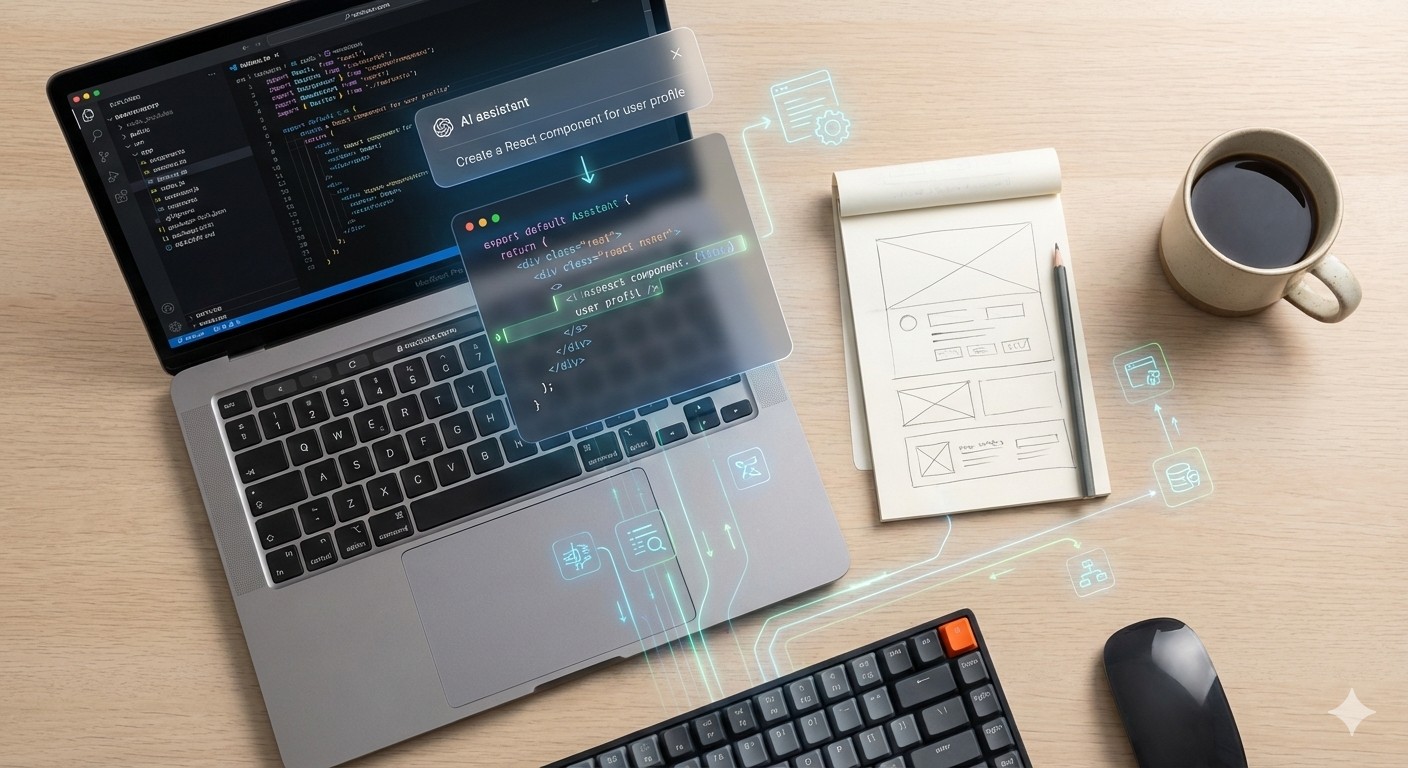
Vibe coding refers to AI-assisted development where engineers collaborate with AI tools to generate code, features, and logic based on prompts, intent, and context. Instead of manually writing every component, developers guide AI systems to produce large portions of software. The term originated from discussions within the developer community describing a shift from manual coding to AI-guided engineering. Developers now focus more on architecture, validation, and refinement while AI accelerates implementation. This approach is rapidly becoming part of modern software development services, especially in AI-native companies.
Why Vibe Coding Is Dominating in 2026
AI-assisted development adoption is accelerating across the tech industry. Major technology companies report that a growing percentage of their code is now generated with AI assistance. This reflects a broader shift toward AI-native engineering workflows. Businesses are drawn to vibe coding because it promises faster development cycles, rapid MVP creation, lower initial costs, and faster experimentation. For startups and enterprises alike, AI-generated code can significantly reduce time-to-market.
What Vibe Coding Gets Right
Vibe coding offers clear advantages when used appropriately. AI can generate functional prototypes quickly, helping teams validate ideas faster. Early-stage products can be built with reduced engineering effort, improving cost efficiency for MVPs. Developers can focus on architecture and logic rather than repetitive tasks, increasing productivity. For SaaS startups and product teams, this approach can accelerate innovation significantly.
The Hidden Risks of AI-Generated Code
Despite its benefits, vibe coding introduces new challenges. AI-generated code can sometimes introduce vulnerabilities if not reviewed properly. Rapid generation may lead to inconsistent architecture or scalability issues, increasing technical debt. AI outputs still require expert validation and testing to ensure quality. Over-reliance on AI tools can reduce engineering control and flexibility. For enterprise software and long-term platforms, these risks must be carefully managed.
Vibe Coding vs Professional Software Development
Vibe coding is not a replacement for experienced engineering teams. Instead, it complements professional development. Vibe coding enables fast MVPs, lower initial cost, and rapid experimentation. Professional development ensures scalable architecture, long-term stability, security, and custom engineering. Businesses need both speed and reliability. The right balance ensures innovation without sacrificing quality.
When Should Businesses Use Vibe Coding?
Vibe coding works best for MVP development, internal tools, rapid prototypes, and experimental features. Custom engineering is better suited for enterprise platforms, secure systems, scalable SaaS products, and long-term applications. Choosing the right approach depends on project goals, scale, and complexity.
How BytesNBinary Uses AI-Native Development
At BytesNBinary, we combine AI-assisted development with strong engineering practices. Our teams use AI tools to accelerate development while maintaining strict standards for security, scalability, and performance. We follow an architecture-first approach, implement secure coding practices, and conduct rigorous testing and validation. This hybrid approach allows clients to benefit from AI speed without compromising quality.
Conclusion
Vibe coding represents a major shift in how software is built. AI-native development is enabling faster product creation, but it also introduces new risks around quality, security, and scalability. For businesses, the goal is not to replace engineering teams with AI—but to use AI responsibly. Companies that combine AI speed with strong technical expertise will build more reliable and scalable products. As AI continues to reshape development in 2026 and beyond, organizations must adopt a balanced approach. By blending AI-driven productivity with professional engineering practices, companies like BytesNBinary help clients build secure, scalable, and future-ready software solutions.